By Al Zohour Restaurant · Culinary Stories
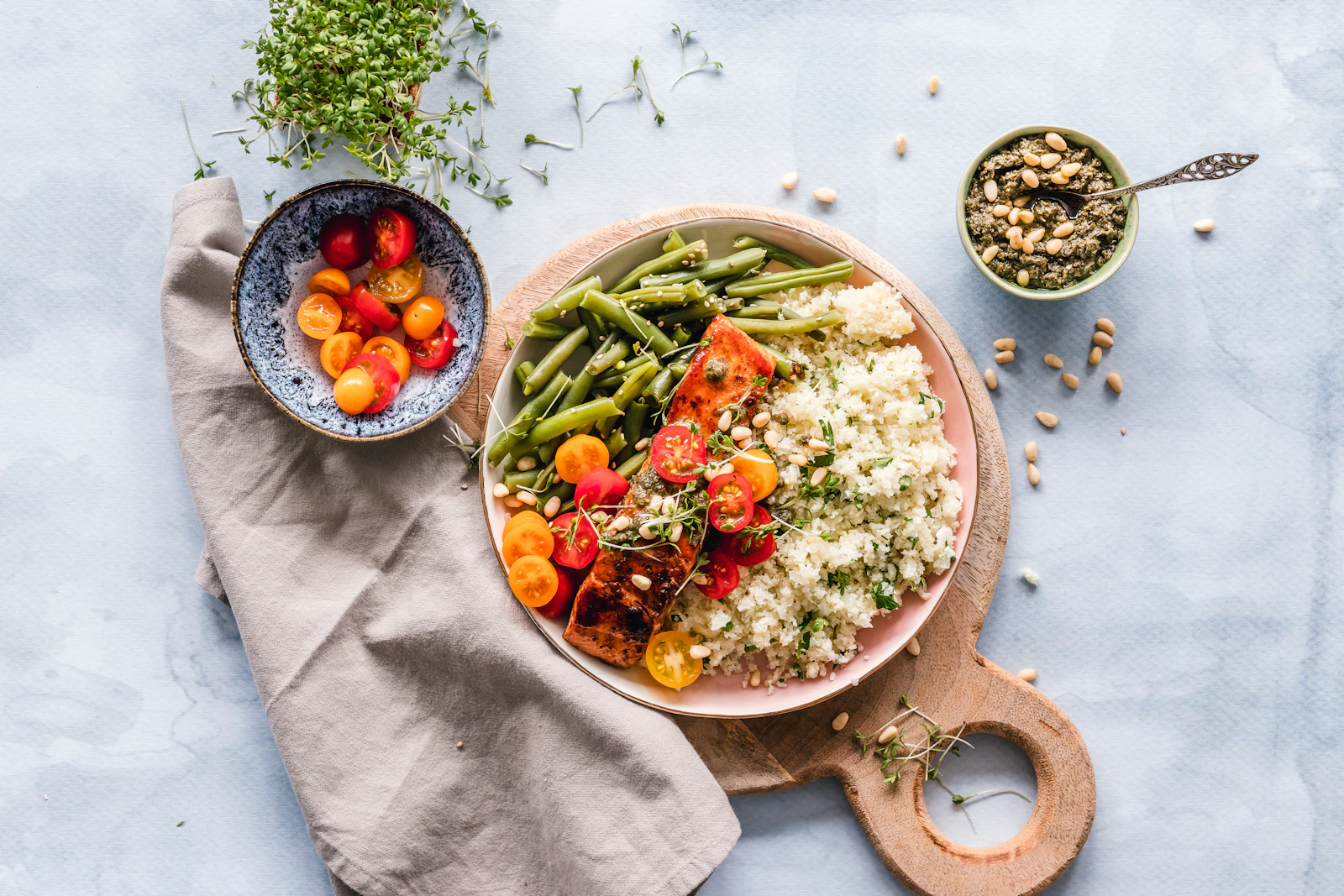
A meal can be an introduction to a place, a family, or a tradition. For diners exploring Middle Eastern food in Phoenix, Lebanese and Iraqi cooking offer two rewarding perspectives: distinct culinary identities, each with its own regional variations, connected by a deep appreciation for hospitality.
Rather than treating Middle Eastern food as a single style, it helps to notice how ingredients are combined, how a meal is served, and what gives each dish its character. A fresh herb salad, a plate of grilled meat, and a carefully prepared rice dish can tell very different stories.
Two Cuisines with Their Own Personalities
Lebanese cooking is often associated with mezze, herbs, lemon, olive oil, vegetables, and grilled dishes. Iraqi cooking offers a rich range of rice preparations, stews, grilled specialties, stuffed vegetables, and breads. These are useful starting points, rather than rigid boundaries: both cuisines include far more than a short list of familiar dishes.
Recipes also vary between regions, communities, and households. Two families may prepare the same dish differently, choosing another spice balance or serving it with different accompaniments. That variety is part of what makes exploring these traditions interesting.
The Lebanese Mezze Table
Mezze brings several smaller dishes to the table, allowing diners to move between contrasting flavors and textures. A creamy dip might sit beside a bright salad, pickled vegetables, warm bread, or a crisp fried bite. The pleasure comes from choosing combinations and sharing them with others.
- Hummus: Chickpeas and tahini create a creamy base balanced with lemon and garlic.
- Tabbouleh: A parsley-forward salad that commonly combines herbs, tomatoes, bulgur, lemon, and olive oil.
- Baba ghanoush: Roasted eggplant brings softness and a smoky note to a familiar dip.
- Pickles and bread: Provide acidity, crunch, and a way to bring the small dishes together.
The balance matters as much as the individual dishes. Richness feels lighter beside lemon and herbs, while warm bread provides a gentle contrast to sharper or more strongly seasoned elements.
Discovering Iraqi Rice Dishes and Stews
Rice plays an important role in many Iraqi meals, accompanying stews and grilled foods or becoming a central dish in its own right. The texture of the grains and the balance of seasoning can be as significant as the ingredients served alongside them.
Slowly cooked stews offer another way to explore the cuisine. Vegetables, legumes, or meat take on the character of the cooking liquid, creating dishes that work especially well with rice or bread. Each preparation has its own balance of savory depth, acidity, and spice.
Stuffed vegetables, including Iraqi versions of dolma, highlight a different kind of care. Preparing the filling, arranging the vegetables, and cooking them together creates a meal in which the individual pieces contribute to a larger whole.
Grilling, Seasoning, and Texture
Grilled dishes offer an accessible introduction to both cuisines. The aroma of browning meat, a carefully balanced seasoning mixture, and fresh accompaniments can make a plate feel generous without requiring complicated presentation.
Lebanese and Iraqi kebab preparations are not interchangeable, and names or recipes can vary. Pay attention to the texture of the meat, the use of herbs and spices, the bread, and the vegetables or sauces served alongside it. These details help distinguish one preparation from another.
Hospitality at the Center of the Meal
Across many Lebanese and Iraqi households, sharing food is a way of welcoming guests. The table invites people to pass a dish, offer another piece of bread, and take time over conversation. A generous meal is about that experience as well as the amount of food.
Bringing this approach to a restaurant visit can be simple. Choose a few complementary dishes, share when practical, and leave room to notice how flavors change when paired with different accompaniments.
A Thoughtful First Meal in Phoenix
If these cuisines are new to you, start with a combination of something creamy, something fresh, and a main dish with a contrasting texture. A dip, a salad, and a grilled or rice-based dish can offer a broader introduction than ordering several similar items.
- Read the dish descriptions. Ingredients and preparation methods are more useful than assuming every familiar name means the same thing.
- Ask about available choices. Check the current menu for the dishes you would like to try.
- Build contrast. Combine rich flavors with herbs, vegetables, pickles, or a lemony accompaniment.
- Share the experience. When dining with others, consider different dishes so everyone can explore more than one flavor.
Continue Your Culinary Exploration
Exploring Lebanese and Iraqi food is an opportunity to appreciate both shared ingredients and meaningful differences. The more closely you notice texture, seasoning, and the rhythm of the meal, the more rewarding each new dish becomes.
Continue with our stories about authentic hummus and traditional shawarma, or explore the Al Zohour Restaurant menu to plan your next meal in Phoenix.